Experience Quality Service with Toronto top Residential Electrician
Why Employing a Residential Electrician Is Crucial for Home Safety!
Bringing in a residential electrical provider is vital for assuring home security measures. Many homeowners overlook the difficulties of electrical infrastructure. DIY tries can trigger serious hazards, such as fire incidents or electrical exposure. Licensed electricians offer core proficiency, assuring adherence to local codes and safety standards. The consequences of avoiding proper electrical work can be devastating. Comprehending the significance of professional guidance can make a substantial difference in home protection. What specific advantages can these experts render?
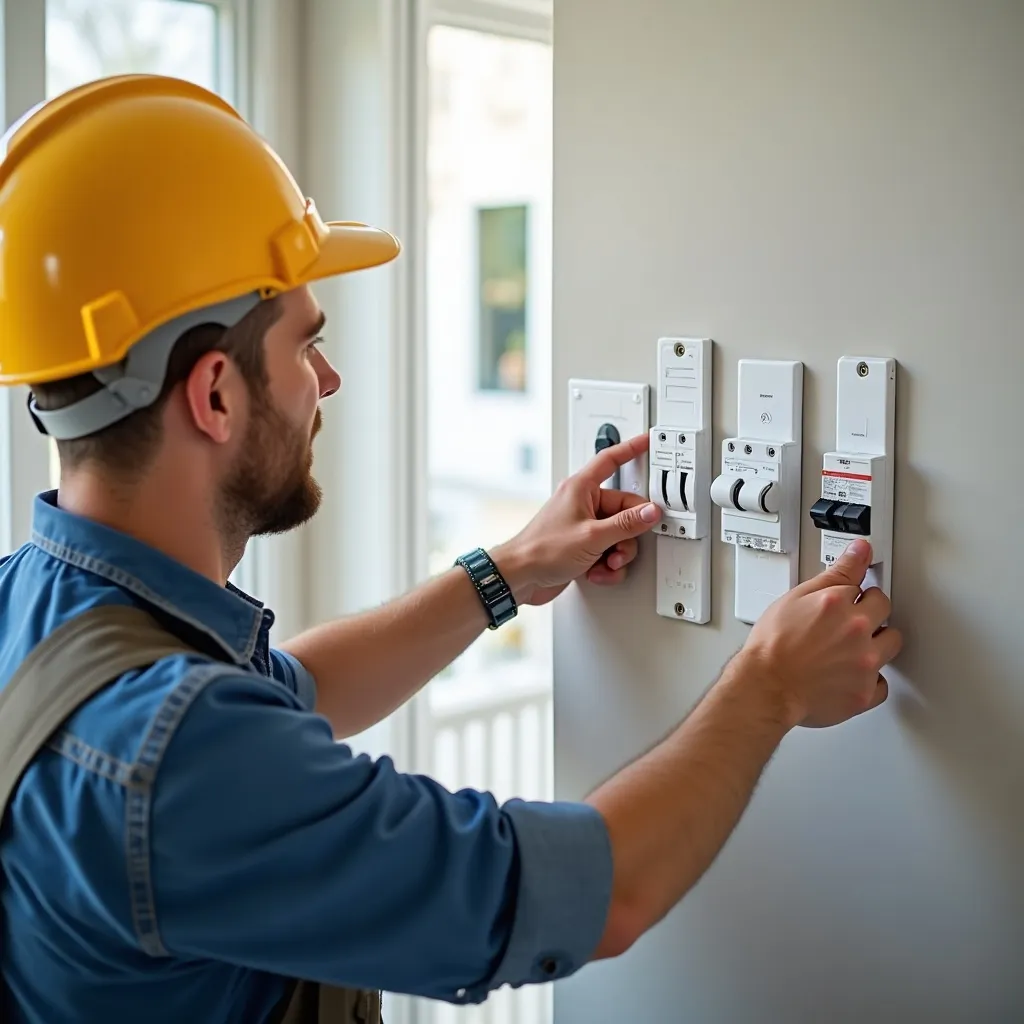
Understanding the Risks of DIY Electrical Work
Performing do-it-yourself electrical projects might appear appealing for homeowners wanting to save money, however it entails significant risks. Many folks underestimate the intricacy of electrical systems, commonly causing faulty corrections or setups. This deficiency in expertise may cause power failures, fires, or electrocutions, threatening both the homeowner and their property.
Moreover, DIY work may not respect local building codes, which might result in legal complications or costly fines.
Additionally, without the adequate tools and safety gear, homeowners may create risk of hazardous situations. Even deceptively straightforward work, such as replacing a light fixture, can have surprising difficulties if not carried out correctly.
The potential for long-term damage to the home's wiring infrastructure is also a concern.
The Expertise That Maintains Your Home Safe
When it comes to ensuring home safety, the expertise of a residential electrician is paramount.
They conduct thorough safety inspections, guaranteeing all systems are functioning properly and meet regulatory standards.
Additionally, their understanding of code adherence and expert troubleshooting abilities prevent potential hazards before they become serious problems.
Thorough Safety Inspections
A thorough safety assessment performed by a licensed residential electrician is important for keeping a secure home space. During this process, electricians inspect circuits, outlets, and electrical panels to uncover potential dangers.
They inspect for obsolete parts that may create fire risks or cause electrical failures. Additionally, they evaluate the grounding and bonding systems to guarantee they meet safety standards.
By identifying problems such as overloaded circuits or faulty wiring, electricians provide homeowners with actionable insights to mitigate risks. These inspections not only enhance safety but also promote energy efficiency, potentially reducing utility bills.
Ultimately, routine safety checks safeguard both the home and its residents, assuring a dependable electrical setup that operates effectively.
Code Compliance Assurance
Code compliance assurance functions as an important factor in assuring the safety and dependability of residential electrical systems.
Experienced electricians thoroughly understand local, state, and national electrical codes, which are structured to give assurance to homeowners from conceivable threats. These codes detail various aspects, such as wiring methods, circuit protection, and grounding techniques, all needed for safe operation.
By complying with these codes, electricians lower the risk of fire hazards, shock hazards, and system malfunction. Furthermore, regulatory adherence is often a necessity for home insurance and can impact property value.
Property owners who retain a professional electrician confirm that their electrical installations comply with necessary standards, delivering peace of mind and a safer living environment.
Advanced Repair Techniques
Electrical systems can develop problems despite meeting safety codes. When troubles emerge, expert analysis becomes critical.
Residential electricians obtain specialized training and experience that allow them to identify faults efficiently, often prior to becoming serious hazards. Their capacity to examine intricate electrical networks and diagnose problems guarantees that homeowners are not left in the dark—literally and figuratively.
These capable experts utilize sophisticated tools and techniques to discover electrical problems, whether it's a flickering light or a triggered circuit breaker. By fixing these issues immediately, they not only get things working again but also strengthen the overall well-being of the home.
In the end, depending on a skilled electrician for troubleshooting is a proactive step toward safeguarding both residents and property.
Finding the Proper Home Electrical Contractor
Selecting the appropriate residential electrician requires thorough evaluation of multiple important criteria.
Residential owners should validate qualifications and certifications to confirm compliance with local regulations.
In addition, review the electrician's background and proficiency, and demand thorough estimates for transparency.
These guidelines contribute to forming an informed decision that focuses on safety and quality.
Confirm Credentials And Professional Licenses
Before hiring a residential electrician, it is essential to verify their credentials and licenses to ensure compliance with local regulations and industry standards. This step guarantees that the electrician has undergone the necessary training and has the knowledge required for safe and efficient electrical work.
Ensuring correct permits shields homeowners from unforeseen risks and validates that the electrician observes safety protocols. Additionally, checking qualifications can help find professionals who remain informed about the latest industry practices and technologies.
Property owners should ask for insurance documentation and check that the electrician maintains any necessary credentials. Taking these precautions not only strengthens security but also fosters trust in the quality and reliability of the electrical services rendered.
Evaluate Experience And Skills
Reviewing the experience and expertise of a residential electrician is important for delivering high-quality workmanship. A seasoned electrician often brings a substantial knowledge base gained through years of hands-on experience. This training enables them to handle various electrical systems and identify and correct problems effectively.
Potential clients should inquire about the electrician's specific areas of expertise, such as residential wiring, lighting installations, or electrical repairs. Furthermore, understanding the kinds of projects they have previously completed can provide insight into their capabilities.
Client testimonials and reviews from former customers can also be valuable resources in gauging dependability and service standards. By carefully assessing an electrician's experience and expertise, homeowners can make informed decisions that stress safety and efficiency.
Require In-depth Pricing
In what ways can property owners ensure they get fair pricing and quality service when hiring a residential electrician? One proven approach involves obtaining detailed estimates from several electrical professionals.
This method not only supports evaluating costs but also supplies understanding of the scope of work involved. Homeowners should confirm that estimates encompass labor, materials, and any additional fees. A direct estimate exemplifies the electrician's professionalism and eagerness to communicate.
Additionally, it permits homeowners to ask about any vague charges, promoting a deeper understanding of the project. By securing multiple estimates, homeowners can reach sound decisions, thereby assuring they engage a qualified residential electrician who meets their needs while maintaining safety standards.
Primary Electrical Problems Most Managed by Professionals
Whenever electrical issues occur in a home, it's essential to identify which matters require professional guidance. Common electrical issues that should be entrusted to licensed electricians feature frequent circuit breaker trips, which may suggest overloads or faulty wiring.
Flickering lights can indicate more serious issues, such as faulty links or outdated wiring systems. Additionally, outlets that feel hot or emit a burning smell pose significant fire hazards and must be inspected immediately.
One more consideration is the installation of new electrical systems or fixtures, which often demands compliance with local safety standards and codes. Homeowners should also seek professional help for any electrical work involving the main service panel, as mistakes in this area can cause unsafe conditions.
Why Code Compliance Is Fundamental for Safety
Guaranteeing that electrical work complies with code compliance proves crucial for maintaining safety within residential environments. Electrical codes are developed to minimize hazards such as fires, electrocution, and property damage. These regulations are formulated based on extensive research and industry standards, reflecting the latest protective measures.
When homeowners hire out to a residential electrician, they leverage the professional's expertise in navigating these codes, ensuring all installations and repairs are compliant.
Non-compliance may cause hazardous conditions, such as faulty wiring and inadequate grounding, which may not only pose risks to inhabitants but also impact policy protection. Additionally, properties that do not meet code standards can encounter fines or problems during real estate transactions.
In the final analysis, complying with electrical codes is essential for protecting lives and property, highlighting the importance of hiring qualified electricians for all electrical work.
Boost Long-Term Financial Benefits with Professional Installations
Investing in quality electrical services can yield significant long-term savings for residential property owners. Trained electrical experts guarantee that all circuitry and electrical systems are set up properly, lowering the probability of costly repairs and replacements due to defective installation. By adhering to safety codes and using high-quality materials, professionals minimize the risk of hazardous electrical situations, which can lead to substantial financial loss or even destructive fires.
Furthermore, energy-efficient installations can minimize utility bills over time. For instance, installing efficient lighting and modern appliances can lead to major cost reductions on electricity costs. Additionally, professional electricians can give recommendations on enhancing electrical performance for better efficiency.
Ultimately, while the upfront expense of employing a qualified explore article electrician may seem higher than a DIY approach, the long-range benefits—such as decreased repair costs and lower energy bills—far outweigh the upfront investment.
Home owners can secure their funds and real estate by placing emphasis on qualified electrical services.
The Peace of Mind That Follows Professional Solutions
Comfort and security frequently accompanies the decision to engage a professional electrician. Homeowners can be reassured knowing that their electrical systems are in the hands of qualified experts who grasp the complexities of wiring, circuits, and safety regulations.
Qualified electricians have the necessary certifications and experience to identify potential hazards, ensuring that installations and repairs meet safety standards.
In addition, contracting a qualified minimizes the potential of electrical problems that could lead to risky scenarios such as fires or electrocution. The confidence that a skilled expert has handled the work allows homeowners to devote attention to their daily lives without worrying about concealed risks.
Additionally, many professional electricians offer warranties for their work, further strengthening the sense of security.
In the end, relying on a professional electrician not only safeguards your property but also creates a stress-free environment, enabling households to prosper without the strain of unresolved electrical issues.
Frequently Requested Questions
How Do I Distinguish a Capable Residential Electrician?
To locate a experienced residential electrician, one should ensure appropriate licensing, protection, and references. Additionally, checking web-based feedback and requesting referrals from close contacts can help assure the electrician's dependability and proficiency.
What Are the Signs of Electrical Problems in My Home?
Wiring issues can display symptoms such as lights that flicker, circuit breakers that trip, outlets that feel warm, burning smells, and discolored switches. Unusual noises coming from appliances or outlets might also point to potential issues needing urgent action from a certified electrician.
How Often Should I Have My Electrical System Inspected?
Property owners should have their electrical systems inspected every three to five years. Routine evaluations help identify potential issues early, ensuring safety and efficiency while minimizing risks associated with aging or broken electrical components in the home.
Can I Do Minor Electric Repairs on My Own?
While small electrical fixes may appear manageable, it's advisable to contact a professional. Inadequate knowledge can lead to safety hazards, potential code violations, or costly damage, emphasizing the importance of expert assistance for electrical tasks.
What Should I Manage in Instance of an Electric Emergency?
In the event of an electrical crisis, one should immediately turn off the power at the circuit breaker, avoid contact with live wires, and call a qualified electrician for assistance. Safety should always be the top priority.